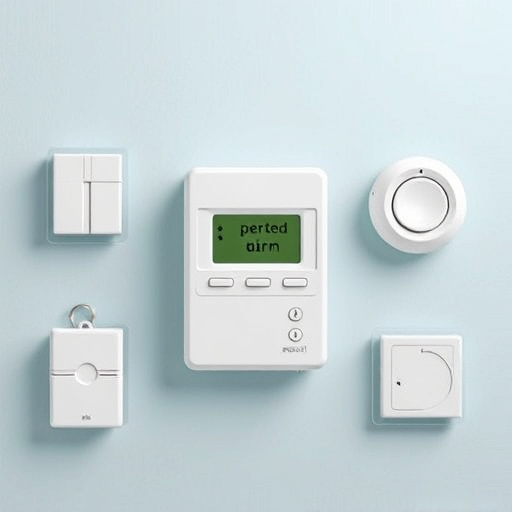
Wearable security systems, with core features like GPS tracking and panic buttons, offer enhanced personal protection in public spaces. The Personal Alarm Pull Pin Mechanism stands out as a discrete yet powerful self-defense tool, triggering alarms and distress signals upon activation. This technology provides peace of mind, especially in urban areas, but must address challenges like easy activation under stress and robust data security to gain consumer trust.
In today’s digital era, wearable security systems with panic features are transforming personal safety. This article delves into the world of these innovative devices, focusing on the Personal Alarm Pull Pin Mechanism and its role as a powerful tool for self-defense. We’ll explore the benefits of incorporating panic features in wearables, while also considering potential challenges. Understanding these systems’ basics is crucial for navigating their implementation and ensuring personal safety in an increasingly complex landscape.
- Understanding Wearable Security Systems: The Basics
- Personal Alarm Pull Pin Mechanism: How It Works
- Benefits of Incorporating Panic Features in Wearables
- Potential Challenges and Considerations for Wearable Security Devices
Understanding Wearable Security Systems: The Basics
Wearable security systems, often in the form of devices or accessories, offer a new frontier in personal safety. At their core, these systems are designed to provide users with an easy and discreet way to alert others in case of distress. The basic functionality typically includes a personal alarm that can be triggered by the wearer, often through a simple pull pin mechanism. This feature allows for quick and immediate attention during emergencies, ensuring the wearer’s safety.
These devices usually incorporate a range of features tailored to different situations. For instance, some offer GPS tracking to help emergency services locate the user, while others may have specific panic buttons designed to send alerts to pre-selected contacts or emergency services. The versatility of wearable security systems makes them an attractive option for individuals seeking enhanced personal protection, especially in public spaces where immediate assistance is crucial.
Personal Alarm Pull Pin Mechanism: How It Works
The Personal Alarm Pull Pin Mechanism is a revolutionary feature in wearable security systems, designed to provide users with a discrete yet powerful tool for self-defense and emergency situations. This innovative technology operates on a simple yet effective principle: a specialized pin that, when activated, triggers an alarm and sends out distress signals. The user simply pulls the pin, either manually or in case of an unexpected threat, causing a series of actions to unfold.
The mechanism is discreetly integrated into the wearable device, ensuring it remains hidden from potential intruders. Once activated, the alarm sounds loudly, alerting nearby individuals and potentially deterring attackers. Additionally, the device can automatically send pre-set emergency contacts or emergency services, providing critical support during dangerous situations. This feature offers wearers peace of mind, knowing they have a reliable personal alarm system at their fingertips.
Benefits of Incorporating Panic Features in Wearables
Incorporating panic features into wearable security systems offers a range of benefits, enhancing personal safety and peace of mind. One of the key advantages is the ability to quickly and discreetly trigger an alert in emergencies. Wearables equipped with a Personal Alarm or Pull Pin Mechanism allow users to sound a loud alarm with just a simple gesture, drawing attention and potentially deterring threats without requiring verbal communication. This feature is particularly valuable in situations where individuals may be vulnerable, such as while jogging alone or traveling to unfamiliar places.
Moreover, these panic features provide a sense of empowerment, giving wearers the confidence to navigate potentially dangerous environments. With just a press of a button or a quick pin pull, they can connect directly to emergency services and trusted contacts, ensuring rapid response times. This technology is a game-changer for personal safety, especially in urban areas known for their hustle and bustle, where folks may need an extra layer of protection amidst the labyrinthine streets and bustling crowds.
Potential Challenges and Considerations for Wearable Security Devices
Wearable security systems with panic features offer a promising solution for personal safety, but they also present several challenges and considerations. One significant hurdle is ensuring the device’s responsiveness in critical situations. Users must be able to quickly and easily activate the Personal Alarm Pull Pin Mechanism, especially when panicking or under stress. This requires intuitive design and robust durability to withstand frequent use.
Another crucial aspect involves privacy and false alarms. Wearables must strike a balance between sensitivity and specificity to prevent accidental triggers that could alert authorities unnecessarily. Additionally, data security is paramount; personal alarm systems should encrypt user data and offer secure communication protocols to protect against potential cyber threats. These considerations are essential for building trust among consumers who rely on these devices for safety and peace of mind.
Wearable security systems, especially those equipped with panic features like the Personal Alarm Pull Pin Mechanism, offer a revolutionary way to enhance personal safety. By integrating these devices into our daily lives, we can gain peace of mind and ensure rapid response in emergencies. While challenges exist, such as device longevity and user training, the benefits far outweigh the drawbacks. As wearable tech continues to evolve, panic features will play a crucial role in empowering individuals with an additional layer of protection, making them a game-changer in personal security.